
Maximize Efficiency: Conducting Remote Audits Seamlessly
Understanding the Remote ISO Audit Process: A Practical Guide
Remote ISO audits verify management systems using digital records, virtual interviews and live remote observation to confirm compliance with the relevant standard. This guide outlines how remote auditing works, why organisations opt for virtual certification and the practical steps to prepare for a remote surveillance or certification audit. You’ll find the core components of a remote audit, the operational flow from scoping to reporting, specific considerations for ISO 9001, ISO 27001 and ISO 42001, and the security controls that make online assessments robust and accreditable. The article also compares benefits, provides eligibility and preparation checklists, and answers common accreditation questions so decision-makers can judge whether a hybrid or fully remote approach suits their risk profile. Throughout, we use terms such as remote auditing, virtual auditing, secure client portal and AI-assisted audit tools to map the ecosystem and support clear next steps.
What are remote ISO audits and how do they work?
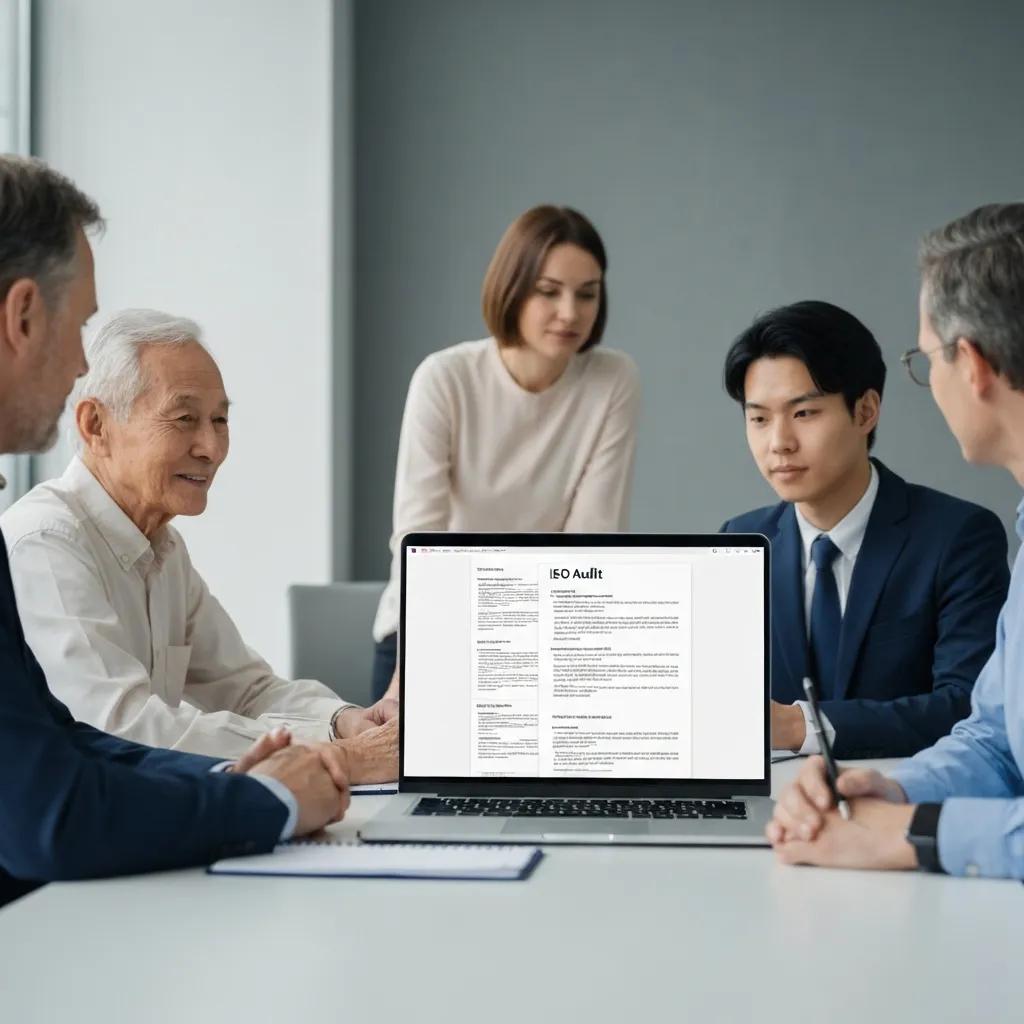
A remote ISO audit assesses a management system primarily through electronic evidence review, virtual interviews and remote observation, allowing verification without an auditor’s physical presence. It replaces in-person document checks and site walkthroughs with secure file transfers, screen sharing for process demonstrations and live video tours where required. That approach preserves audit rigour while reducing travel. Where accreditation rules allow, the outcome is an accredited decision that balances efficiency with conformity checks and supports both certification and surveillance events. Understanding these elements makes it easier to follow the step‑by‑step process and prepare for the technical and procedural requirements of a virtual assessment.
What is a remote ISO audit? Definition and key components
A remote ISO audit focuses on confirming management system conformity using electronic artifacts and real‑time virtual interactions rather than traditional on‑site methods. Core components include document review via secure evidence repositories, structured virtual interviews with process owners, live or recorded walkthroughs using mobile video for observation, and authenticated audit trails for all submitted evidence. This method accepts documentary and demonstrable evidence where objective records exist, while recognising that some physical verifications may still need on‑site checks or a hybrid approach. Together these elements maintain audit integrity, provided the organisation can present verifiable evidence and support live interactions when requested.
How does the online ISO audit process operate step‑by‑step?
Remote audit workflows follow a structured sequence designed to manage risk and ensure sufficient evidence: initial scoping and risk assessment, technology setup and dry runs, evidence submission and review, virtual interviews and observations, then reporting and corrective action verification. Scoping identifies which clauses and processes can be audited remotely and which may need on‑site checks; the risk assessment sets sampling and verification intensity. Technology dry runs confirm connectivity and access controls, reducing delays on formal audit days, and pre‑review of evidence lets auditors focus interview time where it matters. Reporting closes the loop with documented findings and a plan for follow‑up or surveillance, aligned with accreditation expectations and risk‑based planning.
The remote audit lifecycle follows these practical steps:
- Scoping and risk assessment to confirm remote feasibility and sampling.
- Technology configuration and a dry run to verify access and tools.
- Secure evidence upload and pre‑review by auditors to streamline interviews.
- Virtual interviews, demonstrations and live or recorded walkthroughs.
- Reporting, non‑conformity management and follow‑up verification.
This modular process helps teams plan resources and time, and sets clear expectations for evidence quality and auditor engagement.
What are the benefits of remote auditing for ISO certification?
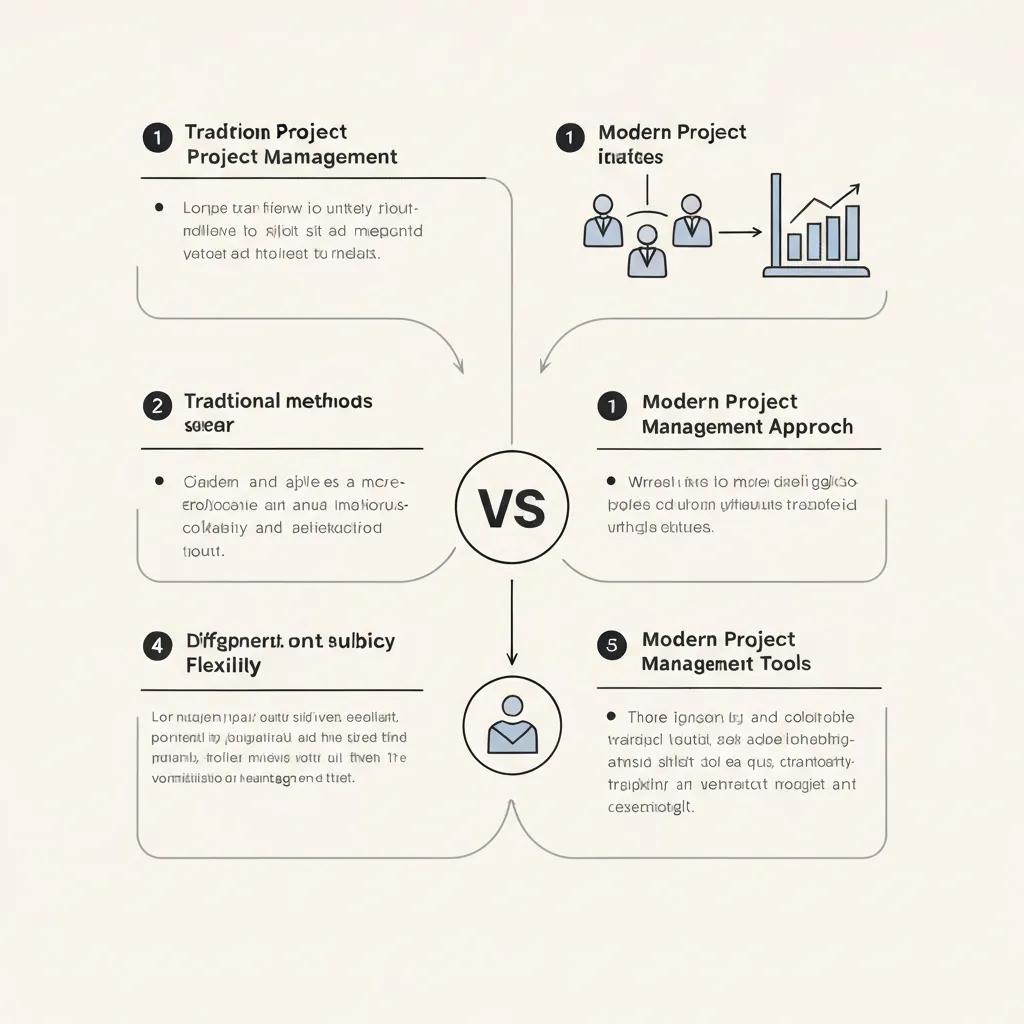
Remote auditing delivers tangible business benefits: lower travel costs, less operational disruption, faster evidence review and access to specialist auditors across time zones. Digital evidence review enables parallel workstreams — clients can upload evidence in advance while auditors triage and prioritise findings, often assisted by AI tools — shortening on‑audit time and accelerating reporting. There’s an environmental upside too: fewer flights and commutes support sustainability goals. Smaller or distributed teams gain scheduling flexibility suited to shift patterns and international operations. Combined, these advantages make remote auditing a practical option for many certification and surveillance activities where accreditation rules permit.
These benefits translate into clear operational effects for organisations preparing for remote ISO certification.
The table shows how each benefit maps to operational value and helps leaders weigh audit delivery options.
How does remote auditing reduce costs and operational disruption?
Remote audits remove much of the direct travel and accommodation cost by replacing on‑site days with virtual sessions, and reduce indirect costs such as staff time spent escorting auditors or pausing production for inspections. Organisations often consolidate evidence submissions before the audit day, allowing auditors to resolve many items asynchronously and reserve the formal audit window for verification and interviews — shortening the overall calendar time. This model also enables remote specialists to participate without travel and cuts administrative overhead for visitor access and security clearances. By preserving operational continuity, businesses can meet surveillance schedules with less impact on service delivery.
What flexibility and environmental advantages do virtual ISO audits offer?
Virtual audits support cross‑time‑zone scheduling and distributed teams by using recorded demonstrations, staggered interview slots and asynchronous evidence review to fit organisational rhythms. That flexibility lets subject‑matter experts join without disrupting their day jobs, improving technical coverage and robustness of findings. Environmentally, reduced travel lowers scope‑3 emissions from certification activities and supports sustainability targets — especially where multiple international sites are involved.
The flexible model also accommodates hybrid approaches: limited on‑site verification combined with remote evidence review gives a practical route to maintain rigour while cutting travel.
How does Stratlane conduct remote ISO audits using AI and technology?
Modern remote ISO audits blend human expertise with secure digital platforms and AI‑assisted workflows to speed evidence triage and surface anomalies while preserving auditor judgement. Stratlane Certification Ltd. uses AI for tasks such as document prioritisation, pattern recognition in logs and correlating evidence across processes to reduce repetitive work and focus auditor time on higher‑risk areas. At the same time, secure client portals, role‑based access and encrypted communications protect sensitive information during transfer and storage to meet accreditation expectations. This combination of AI and secure tooling deepens coverage and shortens timelines without compromising the human validation essential to certification outcomes.
To attract organisations seeking ISO certification, we emphasise expertise and practical innovation. Stratlane operates with dedicated account managers to coordinate audits, multilingual auditors to match global teams, and AI‑augmented review to lower on‑audit time while preserving accredited outcomes. Organisations interested in a remote audit can request a suitability assessment and discuss scoping with an account manager to align the audit design with accreditation constraints and operational priorities.
What is Stratlane’s AI‑enhanced remote audit methodology?
Our AI‑enhanced methodology uses machine‑assisted document analysis to prioritise evidence, flag patterns or inconsistencies and suggest links between records, while auditors retain final judgement on conformity and non‑conformities. AI speeds the identification of higher‑risk items by analysing metadata, version histories and log patterns, enabling auditors to concentrate interview time on processes that need deeper scrutiny. Human‑in‑the‑loop validation is central: auditors review AI‑flagged items, confirm context and apply standards‑based assessment criteria. That hybrid workflow increases throughput and improves the depth of remote assessments while keeping them defensible for accreditation.
What technology tools support secure and effective virtual audits?
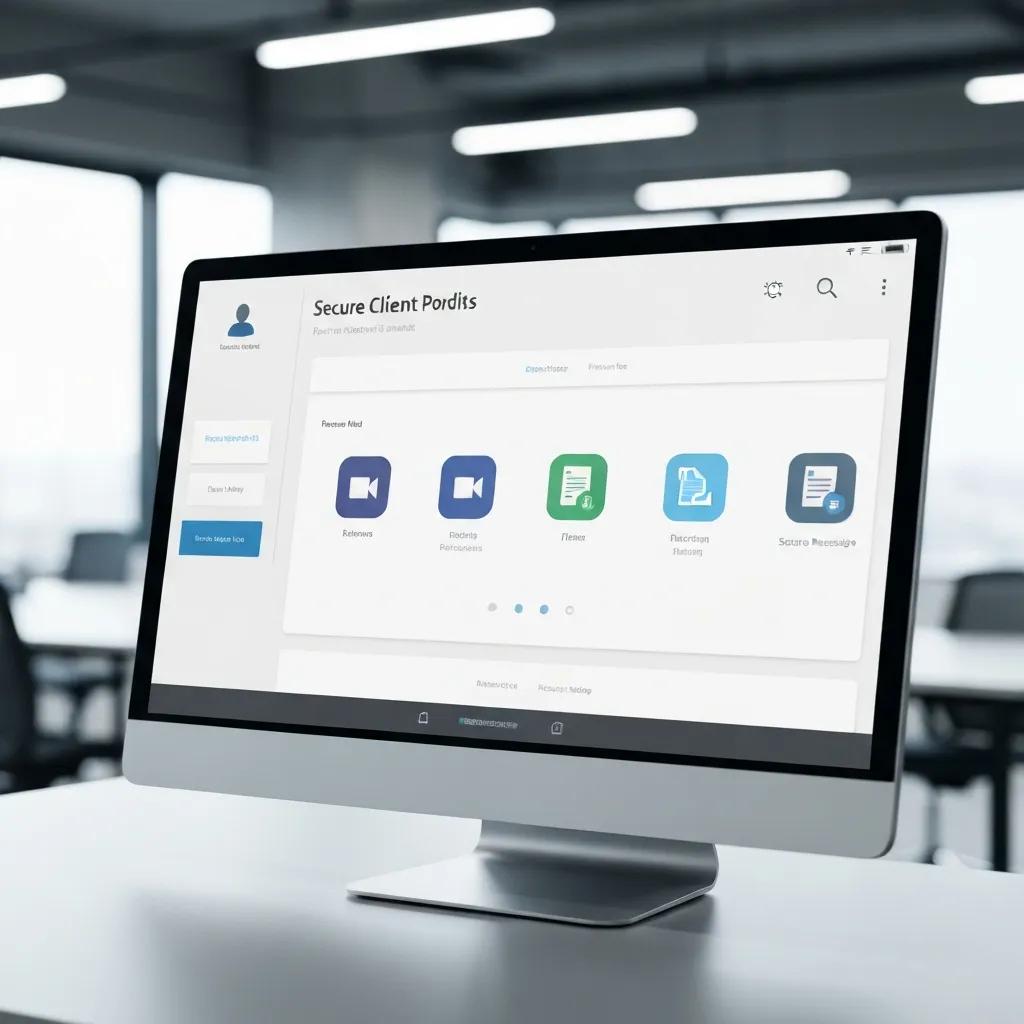
Effective virtual audits depend on secure video conferencing with authenticated participants, encrypted file transfer and a governed client portal that preserves version control, audit trails and access logs. Recommended controls include TLS 1.2+ (or equivalent) for transport security, role‑based permissions for sensitive documents and immutable logging to record who accessed which artifact and when — providing chain‑of‑evidence for accreditation review. Technology dry runs check camera quality for virtual walkthroughs, confirm screen‑sharing permissions for demonstrations and test file upload integrity to avoid delays on audit days. Combined with procedural controls such as NDAs and confidentiality agreements, these measures create a defensible remote audit environment.
Common tool classes used in secure remote audits include:
- Video conferencing platforms with participant authentication and recording controls.
- Secure client portals for evidence upload, versioning and access management.
- Encrypted file transfer and logging systems to maintain an immutable audit trail.
These tools protect evidence integrity and support an auditable chain of custody during remote assessments.
How are remote audits applied to specific ISO standards?
Remote audits are tailored to each standard by focusing on the evidence and observation methods suited to its requirements — for example, quality records for ISO 9001, technical logs and configurations for ISO 27001, and model governance artefacts for ISO 42001. In practice, ISO 9001 often relies on process records and customer feedback that are easily shared; ISO 27001 requires secure handling of sensitive logs and may need controlled technical demonstrations; ISO 42001 demands access to model documentation and validation records that can be reviewed remotely under confidentiality safeguards. Mapping each standard’s needs to remote‑capable evidence helps teams prepare and prioritise submissions.
This comparison highlights the different evidence emphases and helps teams assemble document packages aligned to each standard’s intent.
What are the key features of ISO 9001 remote quality management audits?
ISO 9001 remote audits focus on documentary evidence of process controls, records of monitoring and measurement, and signs of continual improvement such as corrective action records and management review outputs. Remote observation techniques include video demonstrations of process steps, screen‑shared production dashboards and sampling of records that demonstrate consistency. Sampling limits and the sampling rationale should be documented so auditors can justify their approach under remote constraints; organisations should prepare consolidated evidence packages with clear cross‑references to processes and clause numbers. A readiness checklist that highlights records, process owner availability and measurable metrics will streamline a remote quality audit.
How are ISO 27001 information security audits conducted remotely?
ISO 27001 remote assessments centre on secure handling of sensitive evidence and demonstrating control operation through logs, configuration screenshots and recorded demonstrations of monitoring and incident response. Where technical penetration testing or physical network checks are necessary, these can be scheduled as controlled tests or arranged on‑site as hybrid components; many verification tasks — policy review, access control evidence and audit logs — are fully remote‑capable. Organisations must ensure sensitive logs are redacted appropriately, transferred via secure portals and that auditors can authenticate evidence provenance. Preparing redacted but verifiable extracts and arranging controlled demonstrations reduces the need for extra on‑site validation.
What is unique about ISO 42001 AI management remote audits?
ISO 42001 remote audits concentrate on model governance, lifecycle management, dataset provenance and algorithmic explainability — all of which can be reviewed remotely when documentation and validation records are complete and protected by confidentiality agreements. Auditors look for model development records, training and validation datasets, performance metrics and bias mitigation processes, and may request demonstrations of interpretability tools and decision logs. Remote AI audits can use AI‑assisted evidence correlation to spot inconsistencies across model artefacts, but auditors still require human explanations for governance decisions and risk assessments. A curated evidence package with clear lineage and validation materials speeds the assessment of AI management systems.
How is security and compliance ensured in remote ISO audits?
Security and compliance in remote audits rest on a mix of technical controls, procedural safeguards and adherence to accreditation guidance that governs remote assessment practice. Technical measures include end‑to‑end encryption for data in transit, encryption at rest for stored evidence, authenticated access to client portals and immutable logging to preserve audit trails. Procedural safeguards cover NDAs, controlled redaction policies, role‑based access to sensitive files and documented retention or secure deletion schedules after the audit. Accreditation frameworks and recent technical specifications also require auditors to demonstrate chain‑of‑custody and justify remote sampling decisions to safeguard certification integrity.
Before the table below, organisations should understand how each control is implemented and why it matters for compliance and accreditation outcomes.
What data protection and confidentiality protocols are followed?
Operational protocols for data protection include secure evidence portals with encryption, role‑based access, pre‑agreed redaction rules and retention schedules that define how long evidence is held after the audit. Confidentiality is reinforced through NDAs and by limiting evidence views to authorised auditors and account managers, with logging to demonstrate compliance and accountability. Organisations should prepare redacted extracts where full exposure is not permissible, ensuring auditors can still verify control operation without accessing unnecessary sensitive content. These practices balance the need for objective evidence with legal and privacy constraints.
How do ISO/IEC TS 17012:2024 and IAF MD 4:2025 standards govern remote auditing?
Recent guidance documents set a framework for deciding how much of an audit can be done remotely, when accreditation body consent is required for certain remote proportions, and the expectations for evidence sufficiency and sampling rationale. These documents require certification bodies and auditors to record risk‑based decisions about remote scope, demonstrate that remote methods do not compromise audit outcomes and retain records to support accreditation reviews. Practically, this means sampling rationales, technology validation records and chain‑of‑custody evidence must be available to assessors. Aligning remote audit procedures with these frameworks helps organisations and auditors justify remote modalities and maintain accredited status.
Is a remote audit suitable for your organisation? Eligibility and preparation
Whether a remote audit is suitable depends on factors such as process maturity, availability of accessible evidence, technical capability for virtual observation and any accreditation body limits on remote percentages. Organisations with stable, well‑documented processes and mature document control systems are often good candidates for remote surveillance and many certification activities; organisations with unstable processes or heavy reliance on physical verification may need hybrid or on‑site audits. Preparing a readiness plan that lists required artefacts, schedules dry runs and designates interviewees increases the chances of a smooth remote audit. A short suitability checklist helps decision‑makers assess readiness and choose the right audit model.
The following checklist helps organisations self‑assess remote audit eligibility and plan preparatory steps to meet auditor expectations.
- Accessible, version‑controlled documented evidence for audited processes.
- Operational stability with demonstrable records and metrics over time.
- Technical capability for virtual observation, including reliable internet and video devices.
- Capacity to securely upload evidence to a governed client portal and support dry runs.
After reviewing eligibility, teams should run the defined preparation steps to reduce friction during the audit and improve evidence clarity.
What are the eligibility criteria for remote ISO certification audits?
Auditors commonly look for accessible, complete documented evidence; demonstrable process stability over time; the ability to perform virtual demonstrations or provide recorded walkthroughs; and acceptable risk levels identified in the scoping assessment. If key controls require physical inspection or evidence cannot be authenticated remotely, auditors may recommend hybrid or on‑site verification for those elements. Organisations should document record availability, name knowledgeable interviewees and confirm technology readiness. Meeting these criteria increases the likelihood of a fully remote or predominantly remote certification audit.
How can organisations prepare effectively for a remote ISO audit?
Preparation includes organising evidence into a secure, structured folder layout with clear filenames and version metadata, scheduling technology dry runs for all participants, briefing process owners on virtual interview techniques and expected questions, and testing any live walkthroughs that rely on mobile video. A staged timeline typically works best: pre‑audit evidence upload and triage, validation of access and redaction rules, focused interview slots and contingency plans for any required on‑site follow‑up. Assigning a central audit coordinator or account manager to manage submissions and scheduling reduces back‑and‑forth during audit days. These preparations shorten formal audit time and improve the quality of auditor interactions.
To attract organisations seeking ISO certification, we emphasise our expertise and practical approach. If your organisation looks suitable for remote assessment, consider requesting a suitability assessment or discussing scoping with our specialists to confirm the optimal audit model and timeline.
What are the most common questions about remote ISO audits?
Frequent questions focus on which audit activities can be remote, accreditation equivalence and practical constraints such as technical testing and physical verification. Typical concerns include whether full remote certification is possible, how accreditation bodies treat remote proportions and what evidence formats are acceptable for sensitive data. Clear answers help stakeholders set realistic expectations and decide when a hybrid approach is the sensible option. The concise answers below address these common points to help organisations choose the right path for their certification needs.
- Can all audit activities be performed remotely? Not always. Many documentary reviews and interviews are remote‑capable, but certain physical verifications or specialist technical tests may require on‑site presence or scheduled hybrid activities.
- Is remote certification accredited and recognised? Yes where permitted: accredited certificates can follow from remote audits when accreditation rules are observed and the certification body documents the risk‑based rationale and obtains any required consents.
- How is sensitive information protected during remote audits? Sensitive data is protected through encryption, redaction, NDAs and controlled access in secure client portals, with logging to demonstrate the chain‑of‑evidence.
Can all ISO audits be conducted remotely?
No. While a significant portion of many ISO audits — especially documentation reviews and interviews — can be done remotely, activities such as physical equipment checks, penetration testing or environmental observations may need on‑site presence. Auditors use a risk‑based approach to decide which elements can be assessed remotely and which require hybrid or on‑site verification, documenting sampling rationales and mitigation measures. Hybrid models that combine remote evidence review with targeted on‑site visits often strike the best balance between efficiency and verification depth. Preparing for these distinctions ahead of the audit reduces the chance of scope changes during the assessment.
Is remote ISO certification fully accredited and recognised?
Remote certification can be fully accredited and recognised when certification bodies and auditors follow applicable accreditation guidance, document remote‑scope decisions and secure any required consent from accreditation bodies for remote percentages that exceed permitted thresholds. Accreditation equivalence depends on showing that remote methods do not reduce audit rigour and that evidence integrity and chain‑of‑custody are maintained. Organisations should verify their chosen certification body follows current technical specifications and guidance on remote auditing and request documented confirmation of accreditation compliance if needed.
We make it easy to explore remote certification options. If you’d like to discuss remote assessment or request a suitability assessment, contact Stratlane Certification Ltd. to talk through scoping and get a tailored quote from an account manager.
Frequently asked questions
What types of organisations benefit most from remote ISO audits?
Organisations with well‑documented processes, stable operations and a mature digital evidence management system are best suited to remote ISO audits. Sectors such as technology, finance and advanced manufacturing — which typically hold extensive digital records — often find remote audits advantageous. Companies with geographically dispersed teams also benefit from reduced travel costs and improved scheduling flexibility, making it easier to engage auditors across time zones.
How can organisations ensure the quality of evidence submitted for remote audits?
To ensure evidence quality, implement a robust document control system with versioning and clear metadata. Prepare evidence packages in advance with well‑organised folders and cross‑references to relevant processes. Run internal pre‑audits or dry runs to spot gaps and confirm accessibility. Having knowledgeable staff available during the audit also helps auditors validate evidence efficiently.
What are the potential challenges of remote ISO audits?
Challenges include technical issues such as connectivity problems or software failures during virtual sessions, and the limits of not being physically present for certain assessments. Organisations may struggle if documentation is incomplete or if key personnel are unavailable. Rigorous preparation and contingency planning address most of these risks.
How do organisations handle non‑conformities identified during remote audits?
If non‑conformities arise, follow a structured corrective action process: record the non‑conformity, perform root‑cause analysis and implement an action plan. Share evidence of corrective actions with the auditor and arrange follow‑up verification as required — often possible remotely through additional evidence submissions or virtual meetings.
What role does technology play in enhancing remote ISO audits?
Technology is central: it enables secure communication, evidence sharing and real‑time collaboration. Secure client portals, video conferencing and AI‑assisted evidence analysis streamline the audit, allowing auditors to review documentation and conduct interviews efficiently. Technology also helps maintain a clear audit trail and protect data integrity through encryption and access controls, which are vital for compliance and accreditation.
Are there specific ISO standards that are more suited for remote auditing?
Many ISO standards can be audited remotely, but those that rely heavily on documentation and process records — such as ISO 9001 (Quality Management) and ISO 27001 (Information Security Management) — are especially well suited. Standards requiring extensive physical verification or specialist technical assessments may need hybrid approaches that combine remote and on‑site elements to meet all requirements.
Conclusion
Remote ISO audits offer clear advantages — cost savings, time efficiency and broader access to expert auditors — making them a practical choice for many organisations. By combining secure technology with structured processes, businesses can maintain compliance while reducing operational disruption. To see whether remote auditing suits your organisation, consider a suitability assessment or consultation. Explore the potential of remote ISO certification and take the next step towards your compliance goals today.