
Top Sustainability Best Practices You Should Implement Now

Best practices in sustainability for UK businesses — grow greener with ISO 14001 and practical ESG
Sustainability for UK businesses means making environmental, social and economic responsibility part of day‑to‑day strategy and operations. That reduces risk, cuts costs and opens new market opportunities. This guide explains how sound environmental management, ISO 14001 certification and credible ESG integration combine to lower carbon, improve resource use and strengthen investor and customer confidence. You’ll find the core pillars of sustainability, a simple EMS pathway SMEs can follow, high‑impact carbon reduction tactics, circular‑economy actions that save materials and how ESG reporting translates activity into commercial advantage. Practical checklists, implementation mapping and straightforward guidance on certification and assurance are included so teams can take immediate steps. Where relevant, we also note how Stratlne Certification Ltd. supports SMEs with ISO 14001 certification, AI‑assisted audit tools and tailored verification programmes.
What are the core pillars of business sustainability in the UK?
UK business sustainability rests on three connected pillars: environmental stewardship, social responsibility and economic viability. Environmental stewardship is about cutting emissions, using resources efficiently and preventing pollution — think energy savings and waste reduction that lower operating costs and help with compliance. Social responsibility covers staff wellbeing, ethical supply chains and community engagement to protect reputation and retain talent. Economic viability means these programmes must be scalable and deliver clear returns, unlocking green finance or tender opportunities. Together, these pillars help businesses prioritise interventions that align with national net‑zero goals and changing customer expectations, and they provide a roadmap for cutting an organisation’s carbon footprint.
Organisations convert these pillars into practice through measurable controls and governance. The next section explains a practical EMS approach SMEs can use.
How does environmental stewardship reduce a business carbon footprint?
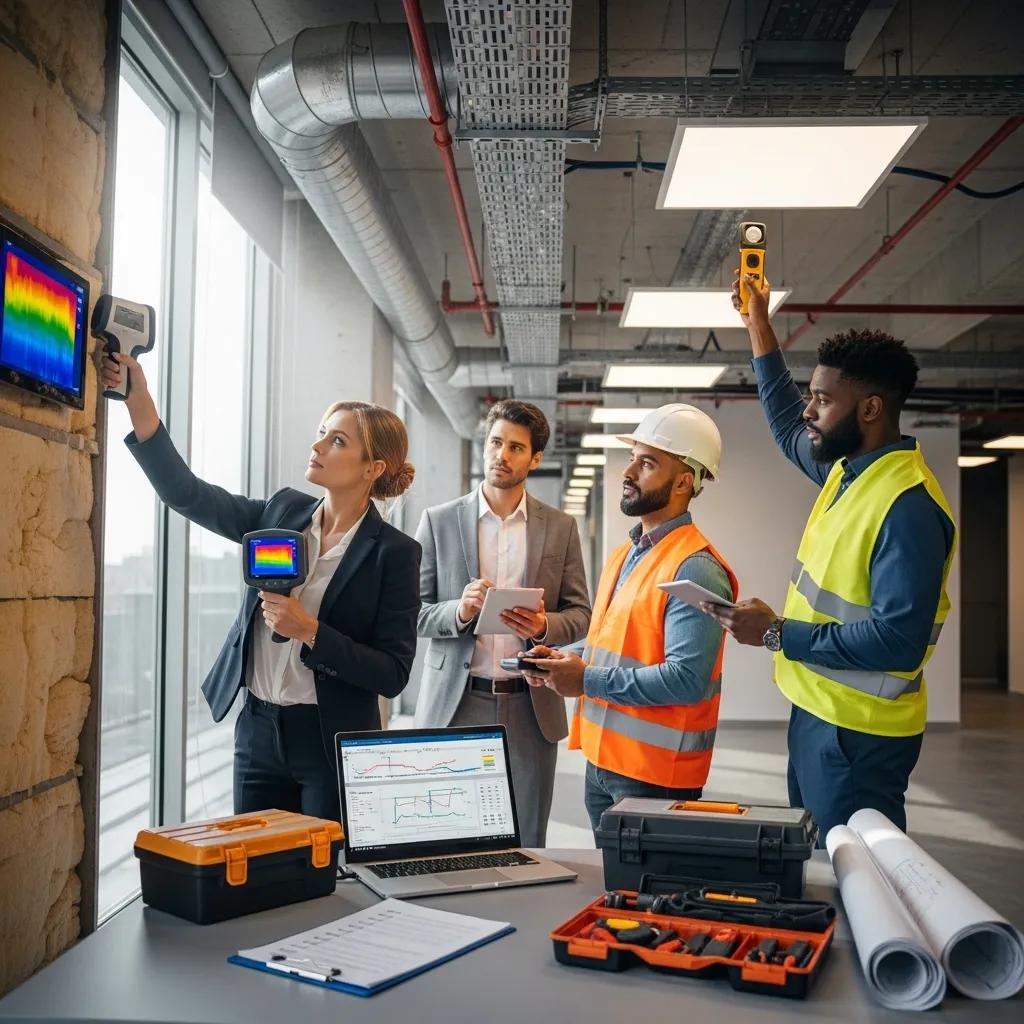
Environmental stewardship reduces carbon by targeting the main sources of greenhouse gases with operational changes and appropriate technology. Measures such as LED retrofits, improved insulation, focused energy audits and smarter vehicle routing cut electricity and fuel use — directly reducing tCO2e from scope 1 and 2. Behavioural steps, like staff energy awareness and procurement rules favouring low‑carbon suppliers, address indirect scope‑3 emissions and can be tracked using simple consumption metrics (kWh, litres). When embedded in an EMS these actions become repeatable and auditable, speeding long‑term decarbonisation. The following section explains how social responsibility complements this work.
Why is social responsibility essential for sustainable UK businesses?
Social responsibility underpins resilience and a licence to operate. Healthy, engaged teams, ethical procurement and local partnerships protect reputation and reduce staff turnover — which directly supports productivity and market access. Practical steps include wellbeing programmes, strengthened health & safety, a supplier code of conduct and community engagement. For SMEs a simple supplier check and an employee engagement pulse survey often reveal quick wins. In short, social measures stabilise the human and reputational foundations that allow green investments to deliver sustained business value.
How can UK SMEs implement environmental management best practices effectively?
Start with a clear assessment, build a proportionate EMS and focus on incremental improvements that fit your resources. Begin with a baseline environmental review — identify key aspects such as energy, waste and materials — then use the Plan‑Do‑Check‑Act (PDCA) cycle to set targets, introduce controls, measure performance and improve. For SMEs prioritise low‑cost, high‑impact actions like simple energy controls, waste segregation and staff training before moving to supplier engagement and targeted capital projects. Keep EMS documentation lean and action‑oriented so compliance and continuous improvement are achievable and measurable.
Below is a concise 3‑step checklist SMEs can follow to start an EMS and work towards ISO 14001 alignment:
- Baseline assessment: map major environmental aspects, set a simple carbon or resource baseline and choose three material priorities.
- Controls and responsibilities: document procedures for those priorities, assign accountable owners and set measurable short‑term targets.
- Monitor, review and improve: gather basic data, review performance quarterly and update actions through PDCA to close gaps.
This three‑step approach takes you from review to measurable improvement and establishes an auditable system. The table below links common EMS components to practical SME actions.
Implementation mapping: EMS component to SME action
This mapping shows how small, measurable actions feed a robust EMS and prepare an organisation for third‑party validation.
SMEs that prefer external help can use Stratlne Certification Ltd.’s ISO 14001 services, which are tailored for smaller organisations and include gap analysis and audit booking; contact the company by email or phone to start a certification pathway that aligns procedure with commercial goals. This support helps move from plan to certified practice while keeping operational focus.
What is an Environmental Management System and its role in sustainability?
An Environmental Management System (EMS) is a structured framework to identify, control and improve environmental performance through planning, implementation, monitoring and review. The PDCA cycle — Plan, Do, Check, Act — is the operating rhythm: set objectives and targets, put controls in place, check performance with data and act to improve. An EMS turns improvements into systemised, auditable practice rather than ad‑hoc projects. For SMEs an EMS can be proportionate and documentation‑light, emphasising measurable controls like energy checks and supplier expectations. A solid EMS also supports credible ESG claims and positions a business for certification and external assurance.
How does ISO 14001 certification support environmental management?
ISO 14001 certification confirms an organisation’s EMS meets an international standard and provides third‑party assurance of systems and controls. The standard helps formalise roles, document procedures for significant aspects and set measurable objectives — improving compliance, reducing incidents and widening tender eligibility. Typical steps include a gap analysis, system development, internal audits and an external certification audit, followed by surveillance checks. For SMEs, certification offers market differentiation and a practical framework for continuous efficiency gains without mandating specific technologies. The end result is auditable evidence of environmental commitment that boosts investor and customer confidence. Certification providers can support gap analysis and audit scheduling to make the journey systematic and time‑bound.
What are effective carbon‑footprint reduction strategies for UK businesses?
Effective carbon reduction blends energy efficiency, low‑carbon procurement, operational change and disciplined measurement so you focus on the highest‑impact levers. Start with energy efficiency — lighting, HVAC optimisation and process tuning — because these often deliver fast paybacks and clear kWh savings. Pair efficiency with renewable procurement or onsite generation where practical, and tackle transport emissions through route optimisation, low‑emission vehicles or modal change. Measurement underpins every choice: set a baseline, account for scope 1 and 2, and progressively tackle priority scope 3 categories. Prioritise actions by cost‑effectiveness and emissions intensity to maximise tCO2e reduction per pound spent.
High‑impact strategies for UK businesses include:
- Energy efficiency retrofits and controls: LED upgrades, thermostatic controls and process tuning to cut kWh consumption.
- Renewable procurement and onsite generation: power purchase agreements or solar installations to decarbonise electricity.
- Supply‑chain engagement and logistics optimisation: work with suppliers to lower embodied emissions and streamline transport.
Efficiency lowers demand, renewables decarbonise supply and supply‑chain action tackles the large indirect footprint many firms carry. The table below compares common sources, interventions and typical impact to help prioritise activity.
Use this comparison to allocate effort to interventions with clear operational and carbon benefits; measurement and supplier collaboration will be essential for the largest gains.
How can renewable energy and energy efficiency lower emissions?
Renewables and efficiency reduce emissions by cutting fossil‑fuel energy use and replacing grid power with low‑carbon supply. Efficiency measures — LEDs, better insulation, smart scheduling and variable‑speed drives — reduce consumption at source and typically have strong paybacks. Renewable procurement, whether through accredited tariffs or onsite solar, lowers scope‑2 emissions and supports net‑zero plans with predictable long‑term costs. Assess capital costs, incentives and payback timelines and apply efficiency first, then renewables to maximise both financial and carbon returns. These choices should sit inside your EMS monitoring cycle so results are tracked and acted on.
What role does measuring and setting carbon targets play in reduction?
Measuring and setting targets turns ambition into accountable action. A baseline quantifies current emissions across scope 1, 2 and priority scope 3 categories; targets — ideally short‑term and science‑aligned where possible — create milestones that guide investment and operations. Regular monitoring and reporting sustain momentum and enable corrective action via PDCA. For SMEs start with simple monthly energy and fuel metrics, set realistic % reductions over 12–36 months and widen reporting as data quality improves. Clear targets also strengthen grant and green‑finance applications by showing a credible decarbonisation pathway.
How do circular‑economy principles enhance sustainability for UK SMEs?

Circular‑economy principles reduce material input, extend product life and close resource loops — cutting costs and environmental impact. For SMEs this looks like designing for durability, take‑back schemes, remanufacturing, repair services and material substitution. These approaches lower procurement spend, reduce disposal liabilities and can create new revenue from refurbished goods or service models. Aligning circular activity with an EMS provides measurable controls over material flows and supports credible ESG claims. A practical starting point is a waste audit and supplier conversations to spot recovery and reuse opportunities that deliver quick wins.
Key reduce–reuse–recycle practices SMEs can adopt:
- Run a waste and materials audit to identify high‑volume streams and quick reduction opportunities.
- Introduce reuse options such as reusable packaging or refurbishment pathways for returns.
- Set up recycling contracts and supplier collaboration to keep materials in closed loops.
Prioritise waste avoidance first, then reuse and recycling to maximise environmental and financial returns and prepare for longer product life strategies described next.
What are the key practices of reduce, reuse and recycle in business operations?
The R‑principles start with source reduction — redesigning processes and packaging to use less — and continue with reuse systems like deposit‑and‑return schemes or internal refurbishment. SMEs can run a waste‑stream audit, set reduction targets, negotiate reusable packaging with suppliers and pilot refurbishment services for returns. Recycling works best when suppliers agree to take‑back or re‑use materials rather than downcycling them; formal contracts or material take‑back agreements help close the loop. These steps typically cut procurement and disposal costs and produce circularity metrics that feed your EMS, creating a path to scale up circular models.
How can product life extension and remanufacturing support resource efficiency?
Product life extension and remanufacturing turn end‑of‑life items into value by repairing, upgrading or rebuilding goods for resale or reuse, reducing raw material demand and extending revenue streams. Operational steps include designing for disassembly, creating reverse‑logistics, training refurbishment technicians and applying clear quality controls plus warranty processes to keep customer confidence high. Financially, remanufacturing can improve margins by recovering value from returns and lowering procurement needs; environmentally it often saves significant embodied carbon compared with new manufacture.
For SMEs, piloting a remanufacturing line for high‑value items or offering refurbishment services can create a strong commercial differentiator and feed measurable outcomes into the EMS. Businesses aiming to certify circular processes can work with partners such as Stratlne Certification Ltd., which provides tailored SME programmes and certification support to verify circular activities and demonstrate alignment with ISO 14001.
Why is ESG integration and reporting crucial for UK business sustainability?
ESG integration and reporting matter because investors, regulators and customers expect transparent, verifiable disclosures that show how environmental and social performance links to long‑term value and risk management. Good ESG reporting aligns EMS outputs — emissions, waste and compliance — with external frameworks like SECR and CSRD so stakeholders receive coherent, comparable information. Third‑party assurance and certification boost credibility, reduce greenwashing risk and make ESG claims investible. Embedding ESG into governance and strategy helps businesses focus on material issues, allocate capital where it matters and access green finance or preferential procurement.
Investor due diligence, regulatory reporting and procurement criteria are primary drivers for ESG integration. Delivering on these requires governance, reliable data systems and staged assurance — areas an EMS and ISO 14001 can directly support.
How does ESG reporting build investor trust and meet regulatory requirements?
ESG reporting gives investors standardised, comparable data on risks and performance so they can judge resilience and alignment with net‑zero objectives. Expanding UK disclosure regimes require accurate emissions data and governance descriptions; non‑financial frameworks such as SECR and the phased CSRD raise the bar for many businesses. Independent audits and certification underpin metric credibility, easing investor scepticism and improving access to sustainable finance. Aligning EMS outputs with reporting templates preserves data integrity and streamlines assurance, helping both compliance and commercial appeal.
Recent research highlights the link between robust ESG integration and stronger financial performance and stakeholder confidence in UK financial services.
UK ESG integration: financial performance and trust
This study examined how UK financial services integrate Environmental, Social and Governance (ESG) principles amid shifting regulation and market expectations. It found rising ESG adoption driven by regulatory pressure and stakeholder demand, and concluded that effective ESG integration strengthens financial performance and stakeholder trust.
Sustainability Strategies in UK Financial Services: Integrating ESG Principles for Long‑Term Growth, 2024
What are best practices for ESG compliance in UK SMEs?
Practical ESG steps for SMEs include setting clear governance, prioritising material topics, using simple data capture systems and preparing for external assurance in stages. Start by mapping stakeholders and material issues, appointing ESG responsibilities and setting realistic targets that match operational capacity. Capture straightforward metrics for energy, waste and key supply‑chain indicators and use periodic internal audits to validate data before seeking external assurance. Preparing for assurance means keeping documented processes, traceable records and evidence of corrective actions — all things an EMS built around ISO 14001 supports. These pragmatic steps create a credible base for scaled reporting and help build investor confidence.
SMEs needing help to align EMS outputs with ESG reporting and assurance can engage Stratlne Certification Ltd. for audit support and third‑party validation; contact Stratlne by email or phone to discuss tailored assurance options and audit scheduling.
What are the business benefits of adopting sustainability best practices in the UK?
Adopting sustainability best practices delivers measurable benefits across reputation, costs and commercial opportunity. Sustainability action strengthens brand reputation and customer trust, helps retain clients and can unlock sustainability‑focused tenders. Operationally, energy and waste reductions cut costs and improve margins, while process improvements boost resilience and continuity. Certification and regulatory compliance reduce legal risk and simplify entry to public procurement and green finance. Together, these outcomes build a compelling commercial case for an EMS and ISO 14001 where appropriate.
The table illustrates how specific practices deliver measurable business benefits and how operational change translates into commercial advantage.
Sustainability also improves customer trust and public perception in tangible ways:
- Improved reputation: Visible, measured sustainability actions increase stakeholder confidence and influence buying decisions.
- Tender and finance eligibility: Certification and transparent reporting open doors to tenders and green finance.
- Operational resilience: Efficiency and circular measures reduce exposure to commodity price volatility.
These advantages compound as certified systems and verified reporting strengthen credibility and performance. Organisations looking to capture these benefits can use advanced audit technologies; Stratlne Certification Ltd. combines AI‑driven audit tools with experienced auditors to simplify certification and verification — contact Stratlne for quotes or audit bookings to get started.
How does sustainability enhance brand reputation and customer trust?
Sustainability signals responsibility to customers, investors and partners through measurable actions and transparent reporting, which increases loyalty and attracts sustainability‑minded buyers. Credible communications backed by verified targets and third‑party certification reduce greenwashing risk and strengthen claims in marketing and tender bids. Sharing concrete metrics — energy savings, EMS progress or circular wins — validated by documented performance builds trust. For SMEs, publishing a small set of verified metrics and showing steady progress is more persuasive than broad, unsupported statements. The combination of operational proof and clear communication drives lasting reputation benefits.
What cost savings and operational efficiencies result from sustainable practices?
Sustainable practices cut costs and improve efficiency through lower energy use, reduced waste disposal and streamlined processes that use fewer materials and reduce downtime. Energy efficiency projects commonly reduce consumption by 10–30%, while waste minimisation and circular redesign lower procurement and disposal costs. An EMS creates systematic opportunities for process optimisation and preventive maintenance, reducing operational disruption. These savings often have attractive payback periods and can fund further sustainability investments, creating a virtuous cycle of improvement supported by certified management systems.
This guide has set out practical, measurable paths UK businesses and SMEs can use to adopt environmental management best practices, reduce carbon, embrace circular economy measures and integrate ESG reporting. Each section ties assessment, targeted action and verification together — the tools needed to build credible, investible sustainability programmes that support green growth and long‑term commercial success.
Frequently asked questions
What are the initial steps for SMEs to start their sustainability journey?
Begin with a baseline environmental assessment to identify significant aspects such as energy use, waste streams and material consumption. Next, establish a simple EMS that follows the Plan‑Do‑Check‑Act cycle. Set achievable short‑term targets and involve staff through training and awareness‑raising to embed change quickly and practically.
How can SMEs measure the effectiveness of their sustainability initiatives?
Set clear KPIs for energy, waste and emissions and collect data regularly. Track metrics such as kilowatt‑hours saved or tonnes of waste diverted and review progress in scheduled audits. Periodic reviews let you adjust actions and keep reporting transparent and accountable.
What role does employee engagement play in sustainability efforts?
Employee engagement is essential. Engaged staff take ownership of local actions, spot improvement opportunities and sustain behavioural change. Use training, awareness campaigns and feedback channels to involve employees and capture practical ideas that improve performance.
How can businesses ensure compliance with environmental regulations?
Stay up to date with relevant laws and standards, implement an effective EMS to document procedures and maintain records, and run regular internal audits. Where needed, consult legal or regulatory specialists to navigate complex obligations and ensure permits and reporting requirements are met.
What are the benefits of integrating circular‑economy principles into business operations?
Circular practices reduce material costs, lower disposal fees and create new revenue from refurbished products or service models. Designing for durability, reusing materials and recycling more effectively improves operational efficiency and resilience, and positions businesses well in markets that value sustainable sourcing.
How can businesses effectively communicate their sustainability efforts to stakeholders?
Be transparent and consistent. Share measurable outcomes — energy reductions, waste diversion rates and verified targets — through reports, website updates and social channels. Highlight third‑party certifications such as ISO 14001 and invite stakeholder feedback to build credibility.
What resources are available for SMEs seeking to improve their sustainability practices?
SMEs can access government grants, consultancy services and industry guidance. Organisations like Stratlne Certification Ltd. offer hands‑on support for ISO 14001 and EMS development. Online tools for carbon accounting, waste management and energy surveys, plus peer networks and forums, are also valuable.
Conclusion
Adopting sustainability best practices helps UK businesses cut costs, improve resilience and strengthen reputation. Integrating ISO 14001 with an EMS and credible ESG reporting creates a measurable, investible approach to environmental stewardship and social responsibility. Starting a structured EMS unlocks business value and market opportunities — contact Stratlne Certification Ltd. today to discuss how we can support your sustainability journey.