
Transform Your Space: Effective Waste Management Practices
ISO 14001 and Better Waste Management in the UK: Practical Steps for Sustainable Compliance
Using ISO 14001 to manage waste means putting a certified Environmental Management System (EMS) at the centre of how you plan, operate and improve. The EMS helps reduce waste, lower disposal bills and keep UK operations compliant. This guide breaks down how ISO 14001 works in practice, the waste-reduction steps companies can adopt, and how EMS processes tie into regulatory duties and circular-economy thinking. Many UK businesses face mixed waste streams, unclear ownership and growing regulatory scrutiny; ISO 14001’s Plan-Do-Check-Act approach turns those risks into measurable improvements. You’ll get a clear EMS overview, practical minimisation techniques, compliance mapping for common waste streams, certification benefits, the role consultants play, and audit preparation tips — all presented with checklists and action-focused tables so environmental managers and leaders can prioritise, measure and prepare for certification with confidence.
What is ISO 14001 Certification and How Does It Support Effective Waste Management?
ISO 14001 certification confirms an organisation’s EMS meets international standards, giving a structured way to control environmental aspects, including waste. The EMS sets policy, objectives, operational controls and review routines so waste is managed consistently and risks are reduced. At the core is risk-based planning and the Plan-Do-Check-Act cycle: set targets, implement controls, measure results and act on gaps. Certified EMSs typically deliver real benefits — lower disposal costs, reduced raw material use and clearer traceability for both commercial and hazardous waste. For UK firms, certification also shows due diligence to customers and regulators and embeds ongoing improvement into everyday operations. If you’re thinking about certification, focus on how clauses on leadership, planning and operational control will translate into practical waste-management actions on the ground.
For many organisations, a key goal is aligning existing management systems with ISO 14001 requirements so improvements are embedded rather than bolted on.
Aligning Management Systems with ISO 14001
A strategic objective for the firm is to align its existing management system with ISO 14001.
Stratlane Certification Ltd. is a certification and lead-generation hub offering accredited ISO certification services. We combine AI-assisted auditing with seasoned industry specialists to guide organisations through the EMS certification journey. That blended approach can accelerate the gap-analysis to certification path while ensuring audit evidence aligns with ISO requirements and operational waste controls.
Understanding the Environmental Management System Framework
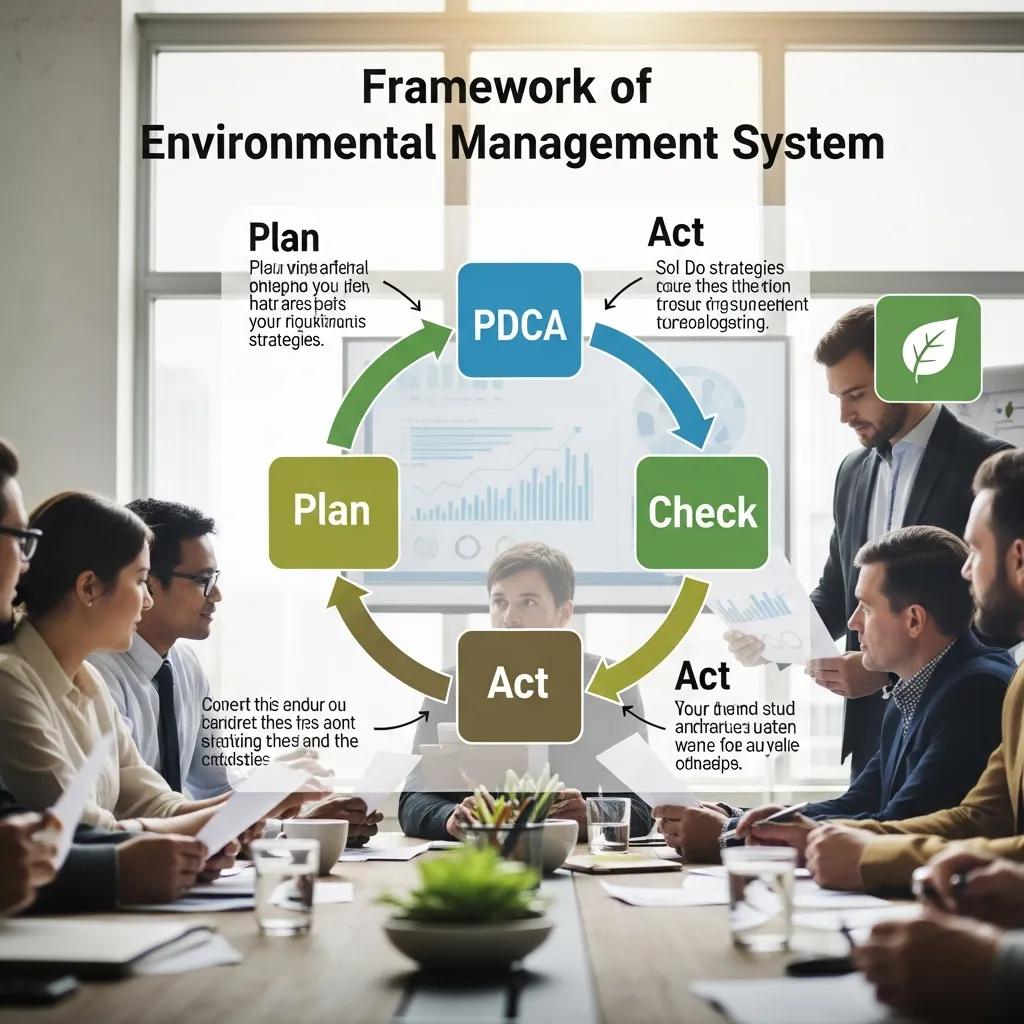
An ISO 14001 EMS groups responsibilities into policy, planning, implementation, monitoring and management review so waste is managed as a controllable operational aspect. The PDCA cycle drives improvement: planning sets measurable waste objectives, doing puts controls in place, checking tracks waste KPIs and reviewing drives corrective actions that reduce waste over time. Typical operational controls include segregation at source, labelling of streams, written procedures for hazardous materials and supplier clauses to curb excess packaging — each mapped into EMS documentation. Common KPIs are tonnes of waste per unit of production, recycling diversion rates and year‑on‑year percentage reductions; auditors use these metrics to confirm effectiveness. Understanding this framework helps managers design controls that directly influence waste outcomes and regulatory compliance.
Key Principles of ISO 14001 for Waste Reduction and Sustainability
ISO 14001 centres on leadership commitment, risk-based thinking, a lifecycle perspective and continual improvement — principles that, when applied, deliver measurable waste reductions. Leadership secures resources and accountability for targets; risk-based thinking focuses effort on highest-impact streams; lifecycle thinking extends responsibility upstream and downstream, enabling reuse and remanufacture opportunities; and continual improvement ensures targets evolve based on monitoring data. Together these principles build a resilient EMS that reduces waste, improves resource efficiency and supports sustainable business practice.
Adopting a lifecycle view is both a challenge and an opportunity: it forces firms to rethink value and engage stakeholders differently as they move toward circular models.
Circular Economy Transition & Business Models
The transition from the linear economy to the circular one is an epochal challenge for firms. It requires rethinking of the ways to create value according to circular business models. In this context, adoption of a stakeholder engagement strategy based on principles such as involvement, dialogue, and effective fulfillment of stakeholders’ expectations is becoming increasingly relevant. Thisstudy analyzes the role of stakeholder engagement with respect to the success of circular business models by identifying the main factors that deserve attention in order to ensure aneffective shift toward the circular economy.
Which Waste Reduction Strategies Can UK Businesses Implement for Sustainable Management?
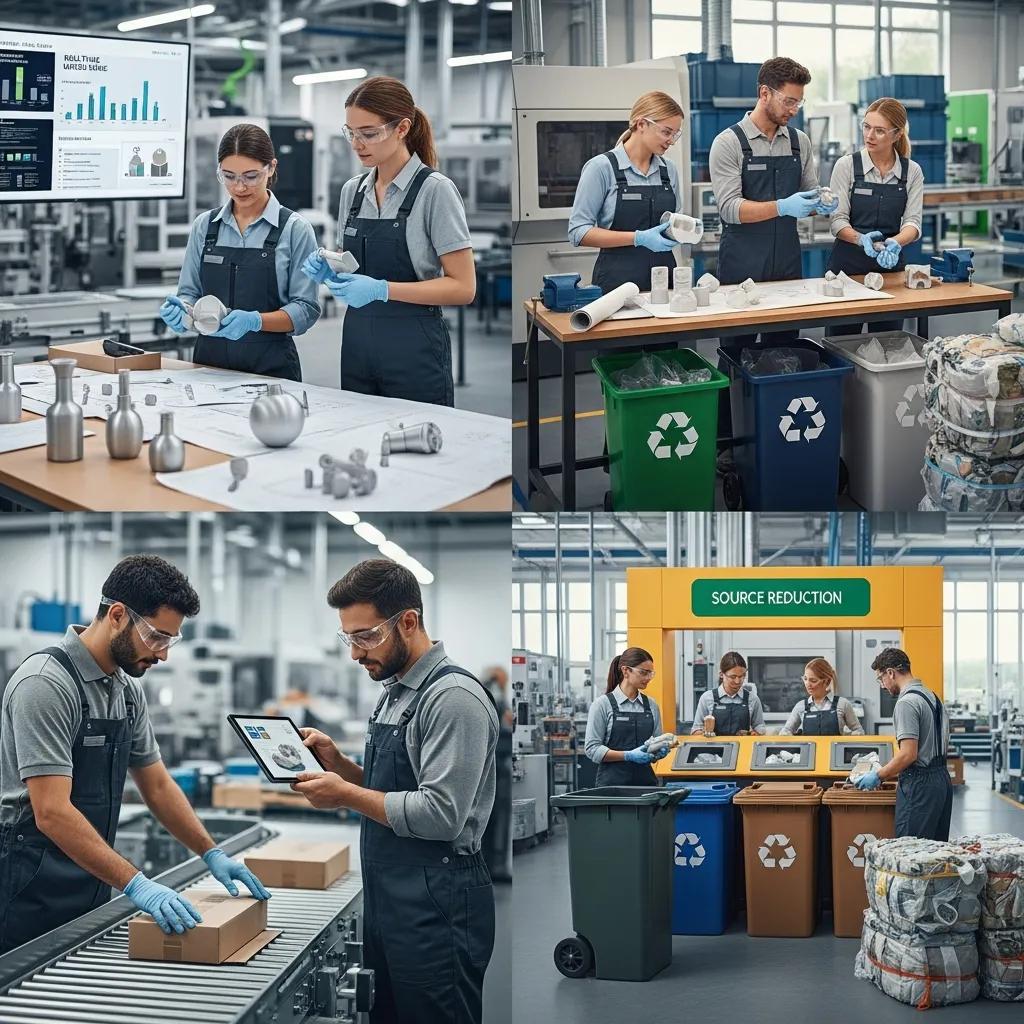
If you want quick wins, prioritise prevention, reuse and recycling that follow the waste hierarchy and match your operational risk profile. Choose strategies based on effort, cost and likely waste reduction. Good programmes combine fast operational fixes — tidy workstations and central recycling — with medium-term process redesign and supplier engagement to cut packaging and inputs. Track performance with KPIs like waste intensity, recycling rate and hazardous-waste incidents so you can target corrective actions and meet ISO 14001 objectives. Below are high-impact strategies and a short table to help you prioritise.
- Source reduction and process optimisation to reduce material inputs and scrap at the point of production.
- Reuse and remanufacturing programmes that extend product life and lower disposal volumes.
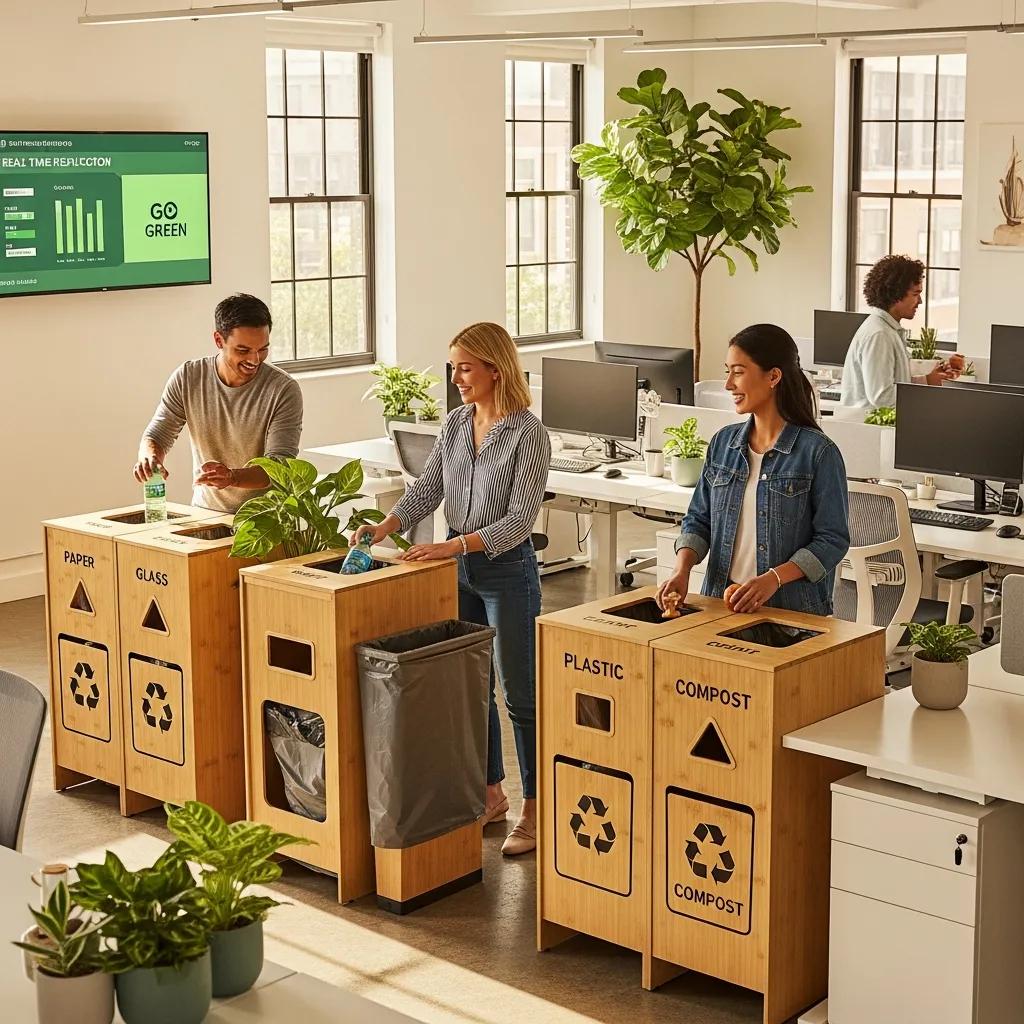
- Better segregation and recycling streams to divert waste from landfill and reduce disposal costs.
Introductory table comparing common waste-reduction techniques:
Summary: Sequence actions by effort, cost and measurable impact so interventions support ISO 14001 goals and deliver visible performance gains quickly.
Practical Techniques for Waste Minimisation and Resource Efficiency
Practical measures include lean process mapping to cut scrap, material substitution to reduce hazardous waste, packaging redesign to eliminate single‑use items and employee-led campaigns to lock in behaviour change. Lean methods expose non-value activities and reduce variability, lowering off-spec production and related waste — especially useful in manufacturing and distribution. Material substitution (choosing less hazardous or more recyclable inputs) simplifies disposal and compliance. Employee engagement — champions, tailored training and visual management — changes daily practice and sustains segregation standards. Track results with KPIs so these techniques feed into the EMS and continual improvement cycle.
How ISO 14001 Certification Enhances Waste Reduction Efforts
ISO 14001 strengthens waste reduction by requiring documented objectives, operational controls and monitoring — making good initiatives repeatable and sustainable. Certification embeds targets into procedures, assigns clear responsibilities and creates records auditors can verify, which reduces the chance of backsliding and keeps senior teams accountable. Operational controls such as waste handling procedures, chemical inventories and supplier specifications reduce variability and prevent non‑compliant disposal. Regular auditing and management review ensure measures are evaluated, scaled and optimised, turning one‑off projects into organisation‑wide improvements that save money and increase regulatory resilience.
How Do Business Waste Management Solutions Align with UK Environmental Regulations?
Waste management must meet UK rules on storage, transfer, hazardous‑waste consignment and authorised disposal; compliance rests on documented controls, competent staff and verified third‑party routes. An EMS gives the procedural backbone to meet statutory duties such as correct labelling, secure storage, transfer notes and using licensed carriers and disposal sites. Mapping each waste stream to its legal requirement makes obligations visible and auditable within the EMS. Waste audits and environmental impact assessments feed the EMS by revealing regulatory risks and specifying controls, helping businesses avoid common non‑conformances and enforcement action.
Before the mapping table below, note that common waste streams need tailored regulatory responses and written handling procedures to demonstrate compliance under ISO 14001.
Summary: Mapping streams to specific legal requirements reduces compliance risk and creates a clear audit trail for certification and inspections.
Compliance Requirements for Commercial and Hazardous Waste
Commercial and hazardous waste need different levels of control: commercial waste requires clear segregation and transfer documentation, while hazardous waste needs consignment notes, safety data sheets and secure storage to prevent harm. Businesses should document procedures for storage, labelling and transfer and ensure staff are trained to avoid common non‑conformances such as mixed‑stream contamination or incomplete records. An EMS provides the system to hold records, schedule training and assign responsibility for waste movements so compliance is auditable. Routine checks and corrective actions after audits help sustain compliant practice and reduce liability.
Role of Waste Audits and Environmental Impact Assessments
Waste audits and environmental impact assessments (EIAs) pinpoint where waste is generated, quantify streams and prioritise mitigation measures that feed directly into EMS objectives. A waste audit collects volumes, composition and cost data, identifies hotspots and recommends operational or procurement changes to cut waste and disposal spend. EIAs are used for larger projects or changes with potential environmental impact, providing a formal assessment of risks and mitigation. Audit and EIA findings become planning evidence for ISO 14001 and establish the baseline for measuring improvements and validating waste‑reduction work.
What Are the Benefits of Environmental Management System Certification for Businesses?
ISO 14001 certification delivers measurable benefits: lower disposal bills, reduced raw‑material use, improved procurement opportunities and stronger standing with customers and regulators — all supported by the KPI reporting the EMS requires. Certified firms often report reductions in waste intensity and hazardous incidents, translating into operational savings and lower compliance risk. Certification can also improve procurement prospects where environmental credentials matter, giving a competitive edge. The table below summarises typical benefits and measurable outcomes organisations report after certification.
Beyond environmental management, businesses often pursue complementary standards. For example, strong information security is critical today and achieving ISO 27001 certification shows a commitment to protecting data and maintaining continuity.
Introductory benefits list:
- Operational cost savings from lower waste volumes and better resource efficiency.
- Improved market access and procurement advantage via verifiable environmental credentials.
- Reduced regulatory risk and stronger stakeholder trust through transparent controls and reporting.
Summary: These measurable outcomes make ISO 14001 a strategic investment that connects environmental performance with commercial resilience.
Cost Savings, Competitive Advantage, and Improved Public Image
Cost savings often appear quickly through reduced landfill volumes, higher recycling rates and less raw‑material purchase via reuse initiatives; these benefits feed straight to the bottom line and help repay EMS investments. Competitive advantage follows when buyers shortlist suppliers with environmental credentials — certification can be decisive. Public image improves through transparent reporting and clear targets, helping firms meet investor and customer ESG expectations. Use KPIs such as tonnes of waste per turnover, recycling rate and hazardous incident frequency to track and report these benefits.
Case Studies of UK Businesses Achieving ISO 14001 Certification
Short, anonymised case summaries show typical routes: an SME manufacturer cut packaging waste by 25% after a packaging redesign tied to EMS objectives; a logistics provider lowered recycling contamination through staff training and segregation; and a food services operator reduced organic waste costs by introducing separate collection and on‑site compaction. Each case began with baseline measurement, targeted interventions and EMS monitoring to validate gains. Key lessons: secure leadership buy‑in, install practical controls before big capital projects and use supplier contracts to lock in reductions. These examples show measurable results are achievable across sectors when ISO 14001 principles are applied.
How Can Sustainable Waste Management Consultancy Support Your Business’s Environmental Goals?
Specialist consultants help by running gap analyses, preparing EMS documentation, training staff and guiding internal audits so organisations reach ISO 14001 efficiently and sustain improvement. Consultants map waste streams, prioritise interventions and convert audit findings into corrective plans that meet regulatory requirements. They also advise on lifecycle and circular‑economy measures — supplier engagement and product redesign that cut material throughput. For organisations wanting end‑to‑end support, consultants help integrate waste‑reduction into procurement and operations so improvements continue beyond the initial project.
Tailored Support Throughout the ISO 14001 Certification Journey
Typical consultancy packages include a gap analysis, prioritised improvement plan, documentation templates, internal auditor training and audit support to shorten time‑to‑certification and close evidence gaps. The gap analysis quantifies non‑conformances and identifies quick wins for immediate reductions alongside medium‑term process changes. Documentation support ensures operational controls and records meet auditor expectations for waste handling, transfer notes and hazardous materials. Ongoing surveillance support and periodic health checks keep continual improvement on track and ensure progress feeds into management review and objectives.
Implementing Circular Economy Principles in Business Operations
Consultants help make circular economy ideas practical: product design for durability and repair, reuse or take‑back schemes and supplier contracts specifying recycled content. Pilots often start with high‑volume components to test remanufacture or leasing models that reduce disposal and open new revenue streams. Supplier tools such as material specifications and shared KPIs enable upstream reductions in packaging and inputs. Linking these measures to the EMS lifecycle perspective creates a coherent strategy for lasting material reduction and better resource efficiency.
What is the ISO 14001 Audit Process and How Should Businesses Prepare?
The ISO 14001 audit pathway usually includes pre‑assessment, Stage 1 (documentation review), Stage 2 (on‑site evaluation) and ongoing surveillance audits that confirm the EMS remains effective. Preparation means clear documentation, evidence of implemented controls and records of monitoring and management review. Auditors look for measurable objectives, operational controls in use and closure of corrective actions. Prep tasks include compiling policies, objectives, procedures, training records, waste logs and sample consignment notes for hazardous waste. A staged checklist reduces last‑minute non‑conformances and shortens certification timelines by keeping evidence organised and accessible.
Below is a numbered list of the main audit stages and preparation actions to serve as a practical checklist.
- Pre-assessment: Internal gap analysis and baseline measurement to identify key non-conformances.
- Stage 1 audit: Document review to confirm EMS structure and readiness for full assessment.
- Stage 2 audit: Detailed on-site evaluation of implementation, records and operational controls.
- Surveillance audits: Periodic follow-up audits to verify continual improvement and compliance.
Use this staged checklist to align documentation and personnel before each audit phase, reducing disruption during assessment.
Stages of Certification Audits and Documentation Requirements
Stage 1 reviews EMS documentation — policy, scope, objectives and high‑level processes — while Stage 2 checks implementation and effectiveness across sites and waste controls. Typical documents include the environmental policy, procedures for waste handling, training and competence records, monitoring data for key waste KPIs, consignment notes where relevant and management review minutes. Auditors expect consistent application of controls and evidence that corrective actions close non‑conformances. Timing from pre‑assessment to Stage 2 varies with readiness; surveillance audits are usually annual to confirm ongoing conformity.
Best Practices for Internal Audits and Continuous Improvement
Good internal audits sample waste controls, check records for completeness and verify corrective‑action effectiveness so continual improvement is embedded in the EMS. Plan audits with a clear scope, use objective evidence and train internal auditors to sample high‑risk streams and controls. Reports should prioritise corrective actions, include root‑cause analysis and set timelines for closure; management review then uses these outputs to set new objectives. Regular internal audits keep the EMS active, driving incremental waste reductions and efficiency gains.
Stratlane Certification Ltd.’s AI-assisted auditors and experienced teams can shorten preparation by identifying documentation gaps, suggesting priority actions and coordinating audit logistics; engaging Stratlane reduces administrative load so you can focus on implementing waste controls auditors will verify.
Frequently Asked Questions
What are the costs associated with obtaining ISO 14001 certification?
Costs vary by organisation size, complexity and EMS scope. Typical expenses include consultancy, training and the certification audit. Small businesses may spend a few thousand pounds; larger organisations can see costs in the tens of thousands. Treat these as investments: many firms recover costs through lower disposal bills, material savings and reduced compliance risk over time.
How long does the ISO 14001 certification process take?
Timelines range from a few months to over a year depending on readiness and operational complexity. The process includes gap analysis, documentation and the certification audit. Organisations with established environmental practices typically move faster; those starting from scratch will need more time to develop and implement systems and controls.
What role do employees play in achieving ISO 14001 certification?
Employees are central — they deliver the controls that make an EMS work. Training and awareness enable staff to understand responsibilities for waste management and sustainability. Building a culture of continuous improvement encourages employees to spot reduction opportunities and support ISO 14001 objectives.
Can ISO 14001 certification help with regulatory compliance?
Yes. ISO 14001 provides a framework to manage environmental obligations systematically, helping organisations meet legal requirements. With proper controls and documentation in place, businesses reduce the risk of non‑compliance and potential penalties.
What are the common challenges businesses face when implementing ISO 14001?
Typical challenges include resistance to change, weak management commitment and gaps in staff training. Integrating the EMS into existing processes and measuring KPIs can also be difficult. Overcoming these issues needs clear leadership, targeted communication and resources for training and measurement.
How can businesses maintain ISO 14001 certification after achieving it?
Maintaining certification requires ongoing commitment: regular internal audits, management reviews and refresher training. Keep up to date with regulatory changes and continuously monitor environmental performance. That ongoing attention demonstrates stewardship and sustains certification.
Conclusion
ISO 14001 gives UK businesses a practical, repeatable way to manage waste, meet regulatory obligations and improve resource efficiency. The structured EMS approach reduces disposal costs, strengthens operational resilience and builds stakeholder trust. By prioritising measurable, sustainable actions you can turn compliance into commercial advantage. Start your ISO 14001 journey and make waste management a source of efficiency and value.